On the ward round, the consultant has his back to the students, working through the notes. He is the old-school kind, a bit of a dragon, who does not waste eye contact on anyone below registrar. A trap question is coming, and everyone can feel it. Under cover of the notes trolley, the student on the end opens OpenEvidence and has a clean, referenced answer ready before the consultant has finished asking. It comes out smoothly; the consultant grunts and moves on, none the wiser. A couple of the other juniors clock it and share a grin. But what did the student actually learn?
Move the same person forward a year. He is a junior doctor now, and it is 2am. The patient in front of him is deteriorating and he does not know why. The registrar is stuck in theatre; the consultant on call is the same one from that ward round. He pulls up OpenEvidence, and it would give him a perfectly good answer, if he knew what to ask. He does not. And even when it answers, he cannot tell whether it is the right call. So he is left choosing between waking the dragon and trusting a tool he cannot supervise.
It is the same tool in both scenes. What changed is everything that was meant to happen in between, and that is the real question behind whether a medical student should use OpenEvidence. Not whether the tool is good, but what it is for, and what it quietly skips when you lean on it before building the foundation to judge what it tells you.
What is reference material, and what is it for?
Reference material is anything you look things up in: lecture notes, textbooks, journal articles, UpToDate, and now OpenEvidence. It does two different jobs, and they are worth pulling apart. The first is teaching you what there is to learn in the first place, laying out the shape of a subject before you have grasped it. The second is settling a specific question once you already hold that shape, the detail you half-remember and need to confirm. One builds the map. The other lets you find a single point on a map you already have.
Once you separate those two roles, the difference between kinds of reference becomes clear. Lecture notes and a textbook are doing the first job: they set out what a subject contains, in roughly the order you are meant to meet it. A journal article is doing the second: you go to it for specific clarity when you basically already know what you are looking for. They can look like the same activity, looking something up, but they are not the same thing at all.
What is changing, as medicine and its tools evolve, is that OpenEvidence and tools like it blur the line between the two jobs. OpenEvidence is built for doctors, though medical students can register to use it too. Ask it anything and it returns a clean, cited answer in seconds, whether you are confirming one detail within your area of expertise, or asking about a subject you have never seen before.
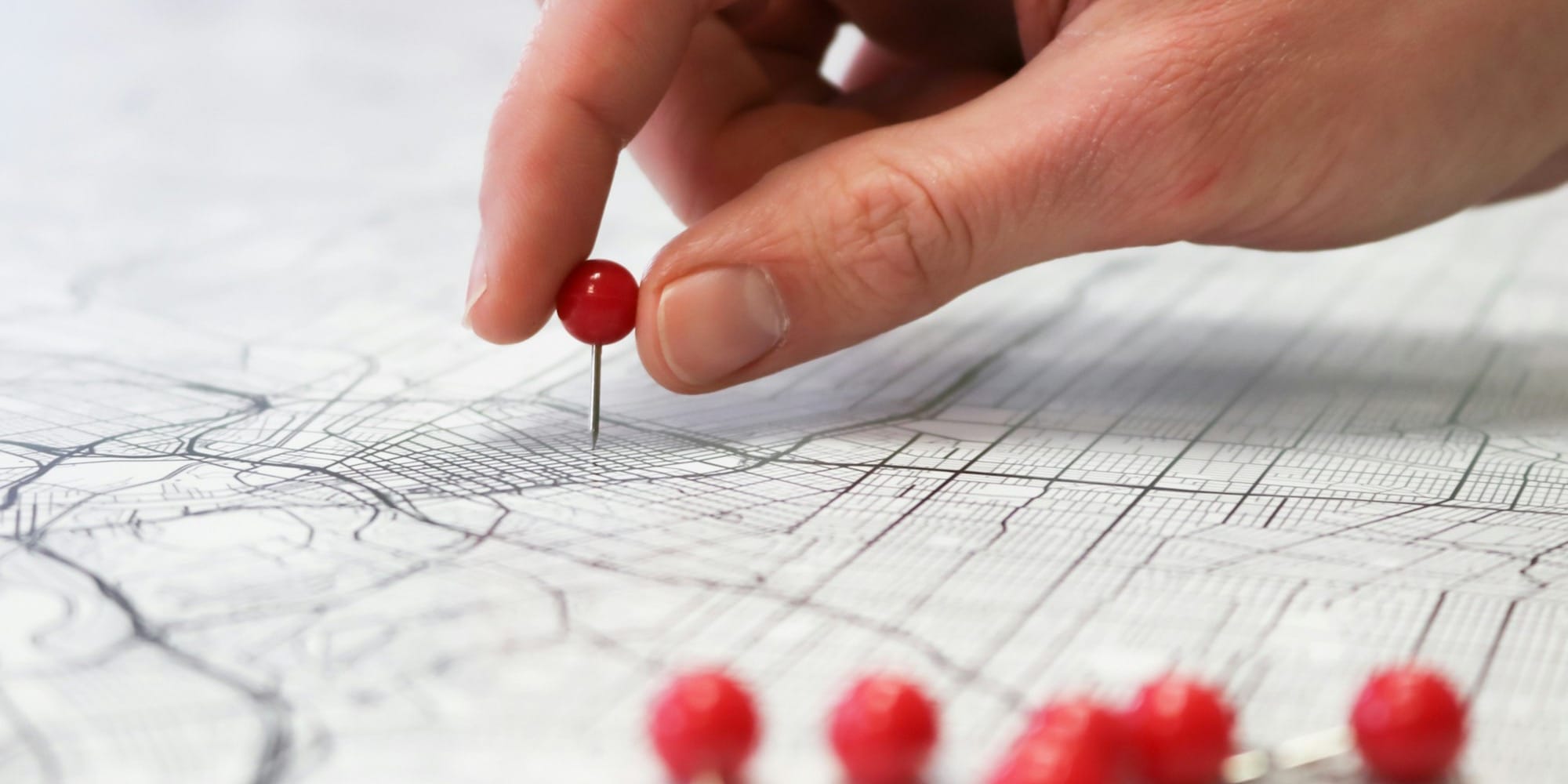
That is exactly where the trouble starts for a student. An experienced doctor using it already holds the map and just needs to confirm a single detail on it. A student does not have the map yet. So they end up trying to fill in a particular gap on a map they do not yet have.
What makes students reach for OpenEvidence?
The pull is obvious, and it is not laziness. An "Ask AI" box is now a standard expectation in almost every tool a student touches. OpenEvidence gives a clean, cited answer the moment the question comes up. The best notes in the world are no use if you cannot reach the answer in time. Going for the quick, trustworthy answer is the sensible thing to do, and it is only going to become more normal.
It is also not something you can ban. Teachers spent years fighting a losing battle trying to stop students Googling instead of looking things up properly, and an outright moratorium on tools like OpenEvidence would be just as futile. It is unrealistic, and it is not in anyone's interest. The question was never whether students will use these tools, because they will, and they should. The question is how they use them.
The tool is not the problem; using it before you can produce the answer yourself, rather than just retrieve it, is. You cannot prompt your way through medical school, because you have not yet learned the context the prompt depends on. It comes down to an old principle: there is a right tool for the job. A scalpel is not a worse scalpel because it makes a poor screwdriver. OpenEvidence is an outstanding instrument for the qualified clinician with a patient in front of them. In the hands of someone who cannot yet judge the answer, the same instrument carries a different risk: over-reliance that erodes the very reasoning a medical student is supposed to be building.
If the information is accurate, what is the real risk for a student?
Start with the nature of medicine itself. There is already more information than any one person could ever learn, and what you do learn is constantly going out of date. More than 1.5 million biomedical papers are added to the literature each year and the figure keeps climbing, while about half of clinical guidelines are out of date within six years, and developers are advised to recheck them every three. Nobody holds all of it, and nobody is expected to. The real skill is knowing which part to reach for, and that is exactly the skill a student is still building.
So the risk is not that OpenEvidence is wrong about what it gives you. It is very good at what it does. The risk is that it has so much to draw on that a student who is still building the map cannot pick out the core landmarks from the rest. Anyone who has sat down with a full UpToDate article knows the feeling: the vast majority of it is detail that even a specialist might not meet across an entire career. For a clinician who already knows the terrain, that depth is a strength. For a student still working out the landmarks, being handed all of it at once is disorienting, because the tool will not tell you which parts are the landmarks and which are the fine print. You cannot find your way around a map you do not yet have.
This is why the blurred line matters so much. Medical school exists to build the judgment to know where you are on the map: what matters, what is safe to set aside, whether the answer in front of you is the right one. That judgment is what keeps you in charge of the tool, rather than the other way round. Without that judgment, you cannot place where you are on the map. If you cannot place the point, you cannot judge what OpenEvidence gives you. And a tool you cannot judge is one you cannot supervise, which is the responsibility you take on the moment you act on its answer. The danger was never the tool itself. It is reaching for it to supply the judgment you are still supposed to be building.
Should medical students use OpenEvidence?
Yes, but for the right jobs. Once you already hold the map, OpenEvidence and UpToDate are genuinely excellent: reach for them in a long case, an evidence-based assignment, or to confirm a specific detail you already half-know. As your main point of reference, though, they are probably not the right thing, because what they cannot do is build the map in the first place. So the honest answer is not for students to avoid these tools, but to be deliberate about what each one is for.
So what would a tool built for learning look like?
If OpenEvidence is built to find a single point on the map, what would a tool built to make the map itself look like? It would look like what we already know works. The map is not built by reading; it is built by repeated clinical reasoning practice, getting the reps in, with enough recall-based repetition to make the core stick. Alongside that, you want a quick, safe way to get an answer when you need to plug a gap or explore further, for the moments you have the time and the inclination, without breaking away from what you are doing.
That last part is where an AI chat tool earns its place, used as a cognitive partner you think with rather than an oracle you copy from. It is why we built Ask Gestalt into the platform, not as a rival to the comprehensive clinical tools, but as the thing that is right there when you are studying and need to talk something through, grounded in a knowledge graph you can trust. The reps come first; this sits alongside them, inside the learning environment rather than off to one side, and the graph it draws on only deepens over time. None of this replaces the comprehensive tools. There will be moments when the overview is not enough and you reach for OpenEvidence, just as you would never expect your lecturer's notes to cover everything.
So it comes back to getting the balance right. Reference has two jobs: showing you what there is to learn, and letting you check a single point once you already hold it. Use each for the right job, in the right order, and you build your own map instead of getting lost in someone else's. Do that, and 2am looks different. You know what to ask, you can tell whether the answer in front of you is the right call, and the tool finally becomes what it was always meant to be: a brilliant reference in the hands of someone who already knows what they are looking for.